The Greek Islands Without the Cruise Port
How I design a Greek Islands trip that never touches a cruise port — smaller islands, ferry rhythms, and the specific logic that keeps the crowds behind you.
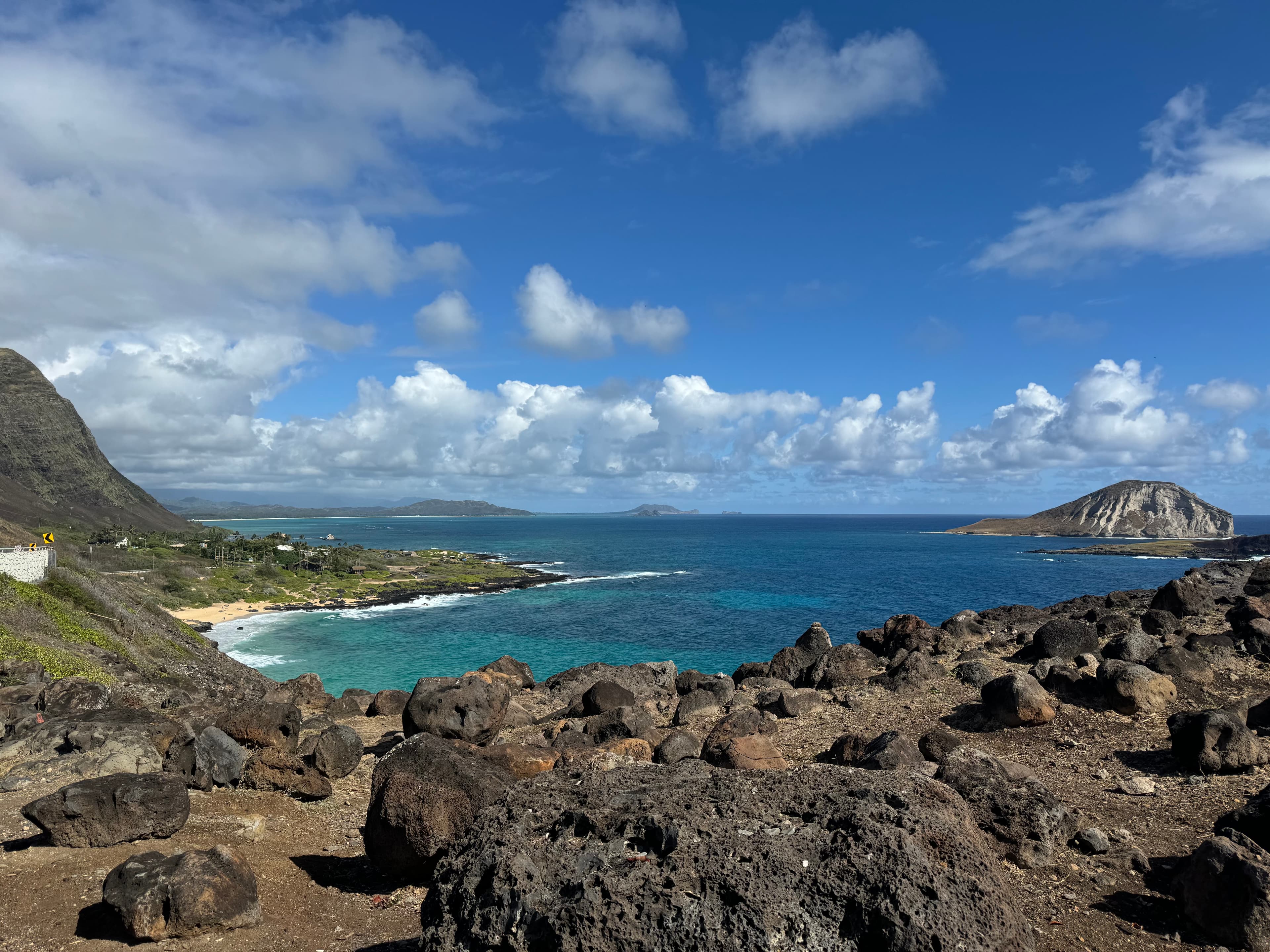
The first thing the cruise ship does to an island is change where you want to be. In Santorini, the ships dock at Athinios and send their passengers up on cable cars to Fira, which then flows toward Oia by midday. By one o'clock, the cliff-side path between the two towns is a slow current of people moving in both directions. The view is the same view — white caldera cliffs, cobalt sea, that light — but you're watching it shoulder-to-shoulder with three thousand people who have four hours before the gangway lifts.
I stopped routing clients through Santorini as a primary stop years ago. Not because the island isn't worth seeing — it is — but because what you're competing with there isn't other travelers. It's a logistics operation, and the logistics operation wins. This post is about how I design Greek Islands trips without the cruise-port crowds — the islands, the timing, the ferry rhythm, and the choices that keep the trip yours, not the ship's.
The logic behind island selection
The Cyclades are a constellation of islands with wildly different visitor profiles. The ones that attract cruise ships are, almost without exception, the ones with the most famous landmarks and the easiest port access. Santorini's caldera. Mykonos' windmills. That visibility isn't an accident — it's the result of decades of marketing and infrastructure investment. The islands without cruise ships tend to be the ones with nothing to see in four hours and nowhere to dock a large vessel.
That constraint is exactly what makes them better for the trip you're actually trying to take.
Milos, for instance, has no cruise port. The harbor at Adamantas can handle ferries and private yachts, but not a ship with three thousand passengers. The result is an island that reads at a completely different pace. At Sarakiniko — the white lunar-rock cove on the north coast that's been photographed as much as any spot in Greece — you can arrive at 9am in July and have the cliffs largely to yourself. By 11am it's filling. By 3pm it's settled into its daily crowd. By 5pm it's thinning again. The rhythm is manageable, and it's entirely within your control.
I built the Milos journey around exactly this logic: sequence the morning for the places that get busy, reserve the afternoon for the villages that stay quiet regardless of season. Mandrakia's fishing harbor and the painted syrmata boat garages along the water's edge are three minutes from Sarakiniko and visited by a fraction of the people who stop at the cliffs. Firopotamos, on the next cove west, has a small beach, a tiny chapel, and a low-key bar. It doesn't appear in the cruise-day itineraries because there's no cable car to it.
Which islands make the shortlist
Milos is my most frequent recommendation for first-time visitors to this corner of Greece who want the visual drama of the Cyclades without the crowd density. Volcanic geology, a working fishing culture, villages built up on ridgelines overlooking the caldera — it reads like the thing Santorini was before the infrastructure caught up.
Folegandros sits an hour's ferry from Milos and has one of the most dramatically sited chora towns in the Aegean — white cubes stacked on a limestone cliff with an eight-hundred-foot drop to the sea. No airport, no cruise ships, difficult enough to reach that its visitor numbers stay in proportion to what the island can absorb. The restaurants in the chora serve what was caught or grown locally, and the ferry schedule rather than your own restlessness determines when you leave.
Sifnos has a reputation for food that's earned over centuries — the island has a culinary tradition specific enough to have its own named dishes, and its villages are connected by a network of old stone footpaths that were the working routes between settlements before the road came. You can walk from Artemonas to Kastro in forty minutes along the old mule trail and have lunch at the end of it.
Naxos is larger and more complex — the biggest island in the Cyclades, with a Venetian castle at its center and fertile valleys in the interior that produce the cheese, olives, and potatoes the island is known for. It does receive some ferry day-tripper traffic, but it's large enough that the crowds disperse and the interior villages rarely feel packed.
The thread running through all of these: ferry-only access, working local economies, and the kind of scale that lets a visitor actually orient themselves over a few days rather than spending their whole stay figuring out where things are.
How I sequence the islands
The shape of a Greek Islands trip matters more than most travelers expect. The temptation is to treat it like a European city hop — four destinations, moving every two days, collecting beaches and sunsets like checkmarks. The result is usually exhaustion and the nagging sense that you didn't actually go anywhere.
The shape I come back to: two islands, five or six nights on the first, three or four on the second. The first island should be the more complex one — Milos or Naxos, somewhere with enough variety to reward time. The second should be quieter and more unified — Folegandros or Sifnos, somewhere you can understand in its entirety without a map.
The reason is orientation cost. Every time you change islands, you pay a half-day to find your accommodation, locate the good beach bar, and make a first guess at where to eat dinner. Moving every two days, that half-day is proportionally enormous. Staying five nights, it's a rounding error — and the days it buys are worth the arithmetic.
I've written about this pacing logic in the context of slow travel in Lisbon — the principle is the same across destinations. The city or island that rewards you on day five is the one you actually went somewhere for.
What "avoiding the crowds" actually means in practice
It doesn't mean finding places no one has heard of. Every good island in the Cyclades has been photographed, blogged about, and shared on social media at this point. What matters is timing and movement, not secrecy.
The cruise ships follow a predictable schedule that's published months in advance. The busiest hours at any destination on their itinerary are between 10am and 4pm. Before and after that window, the place exists differently — more locals, more room, the particular quality of a harbor town before the tourist circuit has activated for the day.
I structure the days around this. Active exploration in the early morning — Sarakiniko's cliffs, a village chora, a long beach with no facilities — before the boats and day-trippers arrive. Midday somewhere cooler and quieter: a fishing village lunch, a shaded courtyard, the afternoon nap that July at 2pm demands. Late afternoon back to a beach that was crowded at noon and is now emptying. Dinner at a time Greeks actually eat, which is later than tourists expect and significantly less rushed for it.
The other variable is the ferry schedule. On islands like Milos, the day-trip boats from nearby islands arrive around 9 or 10am and leave before sunset. Building your day around the gap between those arrivals — earlier at the most popular spots, later at the ones the day-trippers skip — is the practical application of the logic.
What I leave out
Santorini as a primary stop. If someone has already been and wants to return for a specific reason — a particular restaurant, the caldera at sunrise before the ships arrive — that's a different conversation. But as the anchor of a first Greek Islands trip, it's a harder trip to design well, and the visual payoff is available through less congested means on other islands.
Mykonos for more than a night in transit. Its scene serves people who want exactly that; for intentional travelers, it doesn't add much that can't be found elsewhere without the logistical noise.
Same-day ferry connections when an overnight option exists. Arriving at 6pm with bags and a new accommodation to find is manageable. Arriving at 6pm after a day that already included a departure ferry, a wait, and a connecting boat is not — those compressed legs tend to fall apart on one leg and corrupt the next.
The cut list is as important as the place list. That's the thing I've noticed in Oaxaca trips and in every other destination I design around: the decision to not go somewhere, not try to see something in an hour, not stack another activity into a day that already has enough — those decisions are what make the trip feel unhurried by the time it's over.
How to start
The Greek Islands trip I design most often is a ten-day shape with five nights on Milos and four on either Folegandros or Sifnos, depending on what the traveler is after. The Milos piece is built — the sequencing logic, the beach and village priorities, and the timing that keeps the day ahead of the crowds are all worked through in the journey already.
The second island depends on who I'm designing for. If you want food as the organizing principle, Sifnos. If you want the most dramatic topography and the quietest evenings, Folegandros. If you want a bit more to do — a castle, interior villages, a wider range of beaches — Naxos.
If you're planning a Greek Islands trip and want an itinerary that accounts for the ferry schedules, the crowd patterns, and the specific logic of each island, the intake at /book is where that conversation begins. You tell me your dates, the group size, what kind of pace you want — whether you want every day full or whether you want it front-loaded with exploration and slower by the end. I design around those answers, usually inside the Core tier for a ten-day Cyclades trip.
The islands are all still there. The cruise ships are, too. The question is whether you can get to the right spots before they do.
A few common questions.
Santorini and Mykonos take the largest volume — Santorini in particular receives multiple ships on the same day during peak season, which means Oia can absorb several thousand additional visitors between 9am and 6pm. Rhodes, Corfu, Crete (Heraklion), and Katakolon (gateway to Olympia) are also major ports. If you're designing a trip around avoiding that traffic pattern, these five are the ones to route around entirely, or to time with specific care — arriving before or after the ship schedule and staying overnight so you see the island before and after the day-tripper window.
More from the journal.
 Destinations
A Week of Lisbon Slow Travel in Alfama
A week in Alfama built around slow movement, fish counters, and late light — designed for one, on no one else's schedule. The city rewards you for slowing down.
Trisha Bush8 min readSolo Travelers Destinations
Oaxaca Beyond the Day of the Dead: An Eight-Day Trip
Oaxaca beyond the Day of the Dead — how I design an eight-day trip into the city that exists the other eleven months: markets, weavers, mezcal, and a quieter centro.
Trisha Bush9 min readIntentional Traveler Trip type
Solo Travel When You Want Quiet, Not Adventure
Solo travel doesn't have to mean adventure. Here's how I plan trips for people going alone who want unhurried days, real quiet, and places that feel easy for a party of one.
Trisha Bush8 min readSolo TravelersWellness Travelers
Want yours designed?
Three minutes of intake. A real reply within a day or two. A trip designed by hand.