A Week of Lisbon Slow Travel in Alfama
A week in Alfama built around slow movement, fish counters, and late light — designed for one, on no one else's schedule. The city rewards you for slowing down.
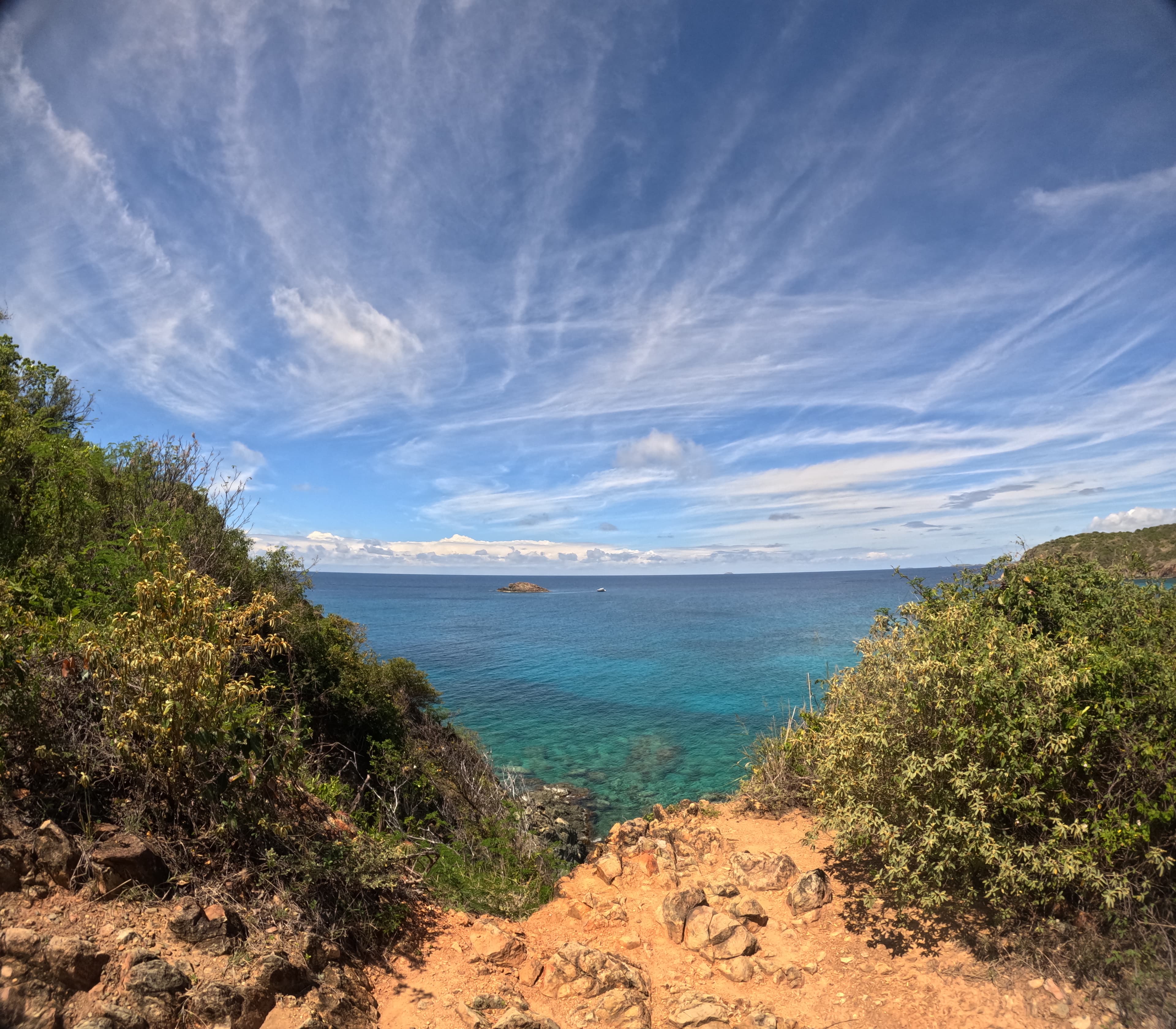
There's a viewpoint in Graça — the Miradouro da Graça, up past the neighborhood church — where the city opens out toward the Tejo and you can see all of Alfama below you in a single glance. I go there on my second or third morning, before it fills. I bring nothing to do. That hour, before the tourist coaches arrive and before the heat climbs the hill, is the clearest argument I know for a slow week in Alfama over a Lisbon five-attractions trip.
The difference is not aesthetic. It's structural. A slow week in Alfama means the city has time to show you things you didn't plan to see. It means you're not moving fast enough to miss the fish counter restaurant down the third staircase on the left that has no sign, only a hand-chalked board and three tables.
Why Alfama and not the prettier neighborhoods
Príncipe Real is beautiful. Bairro Alto is lively. Baixa is convenient. But Alfama is a neighborhood that resists being performed for you. The tiled buildings, the laundry on the lines, the cats on the walls — they're not there for visitors. They're just there. That distinction matters when you're traveling alone, because a city that's performing itself for tourists gives you nothing to actually be inside of.
Mouraria, the neighborhood that borders Alfama to the north and shares its hill, has a similar quality. It's where fado has its deepest roots and its least theatrical expression. Not the tourist fado dinner with the menu in five languages — that's an experience designed for groups who want to check a box. The fado that Mouraria contains is neighborhood fado: old men at a counter, a guitar, someone who happens to be singing. You find it by accident or not at all.
I base the Lisbon slow days journey in Alfama specifically because the stay is inside the experience, not adjacent to it. Three flights up a tiled staircase, a balcony that catches the late light, the sound of the city below. You wake up in the neighborhood instead of commuting to it.
The shape of a week of slow travel in Alfama
A week is the right unit because Lisbon is a city that front-loads its charms. The first two days give you the postcards. The next three give you the city. The last two give you something harder to name — the particular ease of knowing where you're going before you look up the street.
Here is the shape I've found works:
Day one: arrival, long dinner, no agenda. You're jet-lagged. The neighborhood absorbs that. One fish counter restaurant for the second meal, chosen before you leave home so you're not making decisions while exhausted. I look for tascas that cook one fish a night — whatever came in that morning — and let you know at the door what it is. That constraint is actually a relief: there's nothing to decide.
Day two: walk down and out, then back. From Alfama south toward the Tejo, along the waterfront at Cais do Sodré, up through Baixa if you want the wide streets, across to the Miradouro de Santa Luzia on the way back. The point isn't the monuments. The point is learning how the city is laid out on foot, so the rest of the week you can navigate it without checking a map every three minutes.
Day three: slow morning, market, afternoon at a wine bar. Alfama has a small market — produce, olives, local cheeses — that runs in the morning. You go, you buy something for breakfast, you sit on the steps outside. In the afternoon, find a wine bar in Príncipe Real or Graça that has a serious food program and enough seats that they're not rushed. Order slowly. Stay longer than you planned.
Day four: out of the city. A half-day in Sintra — timed to miss the midday crowds — is worth the train. The palaces are absurd in the best way. The thing to skip is the castle at the top: it takes an hour in the heat and gives you a view that's roughly equivalent to what you get from the Miradouro da Graça for free. What Sintra actually offers is the forest, the pastries at a place that doesn't have a line at 9am, and the texture of a town that has been attracting romantics since the 1800s.
Day five: south of the river. A ferry from Cais do Sodré to Cacilhas, then a short bus to a fishing village that hasn't been fully discovered yet. You eat grilled fish at a place with no menu and blue plastic chairs. You take the ferry back as the sun hits the water. Most of the people on the return crossing are locals heading home after work.
Day six: the open day. I deliberately leave day six unplanned. Not because I've run out of ideas — there's always another tile museum, another neighborhood, another restaurant worth trying — but because the trip needs room to breathe. The open day is where the best things happen: a conversation with someone at the counter, a street you follow because the light is right, a second visit to the fish counter from the first night because it was that good.
Day seven: morning at the river, then home. One last coffee at Cais do Sodré, watching the ferry traffic on the Tejo. Then the airport.
What I cut on purpose
Tram 28 at peak hours. I know it's beautiful. It is also, at 10am in July, approximately standing-room-only with other people's elbows in your ribs. There are better ways to see the same streets: walk them, or take Tram 28 at 7am on a weekday, when it's carrying locals to work rather than tourists to the viewpoints.
Fado tourist dinners. The formal fado house experience — fixed menu, set show, a room full of people eating at the same time and told when to be quiet — is an experience designed for groups. Solo travelers often find it the loneliest experience of the trip. If you want fado, go late to a bar in Mouraria that happens to have music. Or skip it entirely and find out what else Lisbon sounds like at night.
The castle at São Jorge. It's there. It's old. The views from the ramparts are fine. But Lisbon's viewpoints — the Miradouros — give you better views with less effort, and the castle itself doesn't have much inside beyond the walls and the context that requires a tour guide to activate. If you're going to spend three hours somewhere in Alfama, spend them walking down slowly through the tiled streets toward the Tejo, stopping at whatever looks right.
Time Out Market as a dinner destination. It's convenient when you're exhausted and need to eat fast. It's loud, it's expensive for what it is, and it tells you nothing about Lisbon food culture. I'd use it once, for lunch, and then spend the rest of my evenings at places that have been feeding the neighborhood since before the market existed.
How this fits an Uncharted trip
The Lisbon slow days journey is designed around everything above. It's built for a party of one, which means the restaurant picks have bar seats or counter positions confirmed before you arrive. It means the neighborhood walk on day two is routed to avoid the specific streets that are worst for solo pedestrian navigation after dark. It means the open day on day six isn't actually empty — there are two or three suggestions for what to do if the day doesn't fill itself, without being a secondary itinerary.
This is different from how a couples trip to Lisbon gets designed. When you're traveling alone, the curation has to do more work in specific ways: the restaurants need to feel right for one, the logistics need to be self-contained, the pace needs to accommodate the fact that you're making all the decisions yourself and that requires energy. I account for that energy. The trip is designed to cost less of it, not more.
If you're planning a solo week in Lisbon and want an itinerary that's been walked and thought through — not generated, not generic — the intake form at /book is where we begin. You tell me your pace, your food obsessions, whether you want mornings free or evenings free, whether Sintra interests you or not. I design around those answers.
For how the planning process works before any of that, how curated travel works is the place to start. And if you're weighing a solo Lisbon trip against a different destination, Oaxaca beyond Day of the Dead covers another city that rewards exactly this kind of slow, food-led approach as a solo traveler. The planning process walkthrough explains what happens between the intake form and the delivered itinerary. If you're traveling with a partner on a future trip and want to understand how the trip shape changes, planning a honeymoon without the hype is the direct contrast.
None of this requires you to already know what kind of traveler you are. Some of the best Lisbon weeks I've designed were for people who came in saying they didn't know if they were slow travelers or not. The week teaches you that about yourself, too.
A few common questions.
Yes. Alfama is one of Lisbon's oldest and most populated neighborhoods — narrow streets, residential blocks, plenty of locals moving through at all hours. The usual common-sense rules apply: keep your phone out of your back pocket in crowded staircase alleys, be aware of the tourist density around the viewpoints at midday. After dark, the neighborhood quiets rather than empties. I'd stay in it without hesitation, and I'd recommend it for any solo traveler, regardless of experience level. The streets are too steep and too labyrinthine for the kind of fast, anonymous movement that makes a neighborhood feel unsafe.
More from the journal.
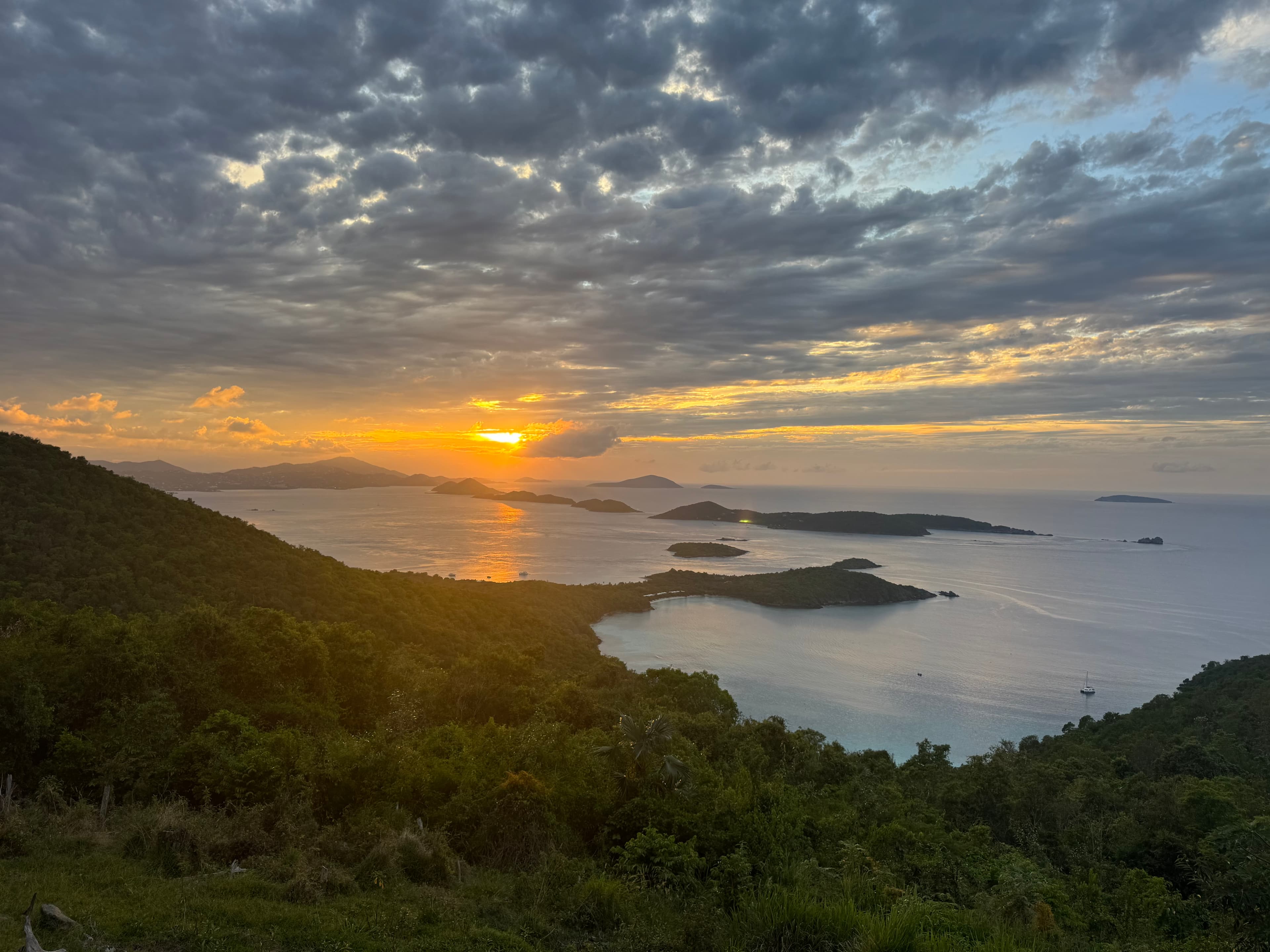 Trip type
Solo Travel When You Want Quiet, Not Adventure
Solo travel doesn't have to mean adventure. Here's how I plan trips for people going alone who want unhurried days, real quiet, and places that feel easy for a party of one.
Trisha Bush8 min readSolo TravelersWellness Travelers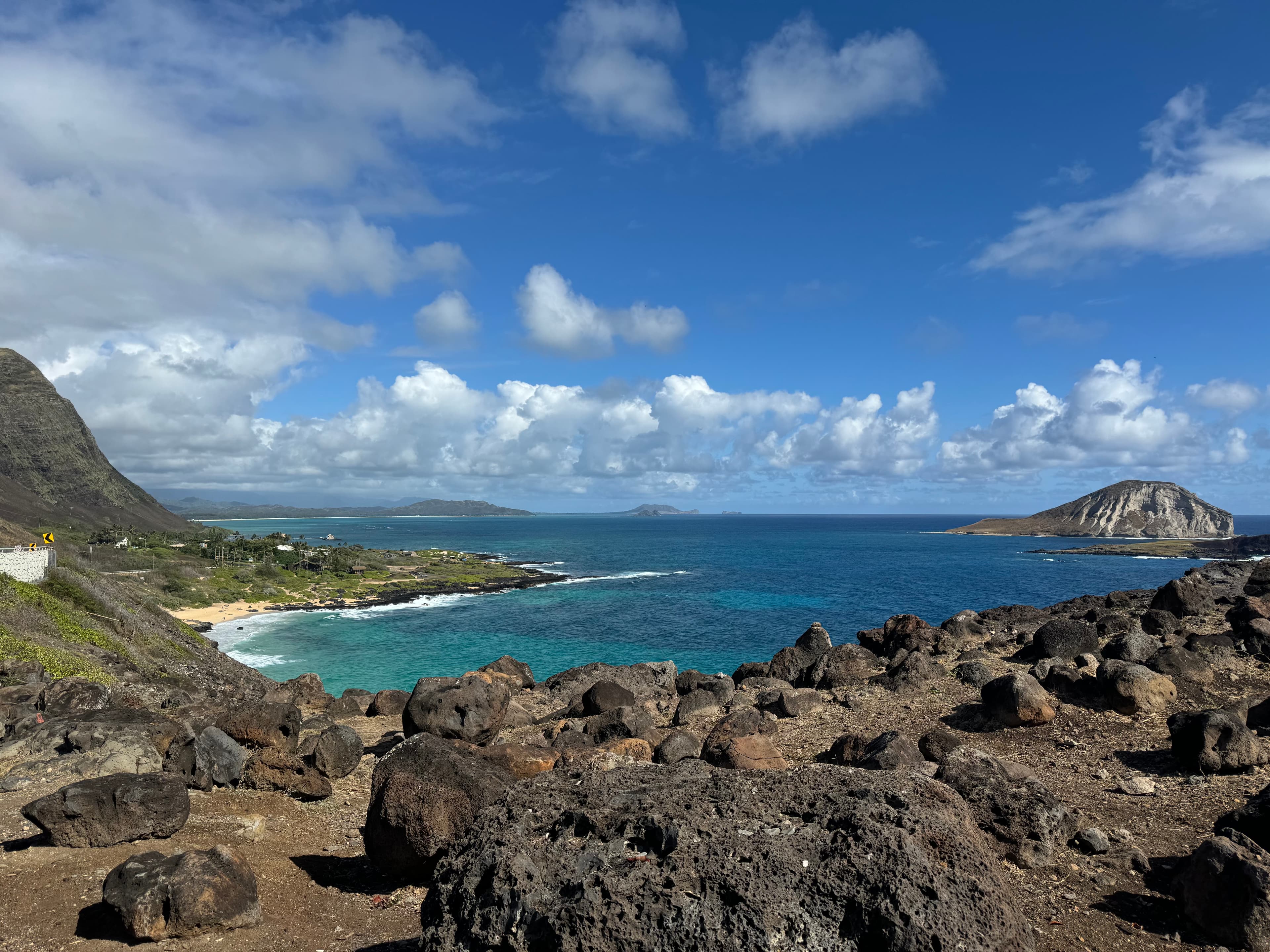 Destinations
The Greek Islands Without the Cruise Port
How I design a Greek Islands trip that never touches a cruise port — smaller islands, ferry rhythms, and the specific logic that keeps the crowds behind you.
Trisha Bush9 min readIntentional Traveler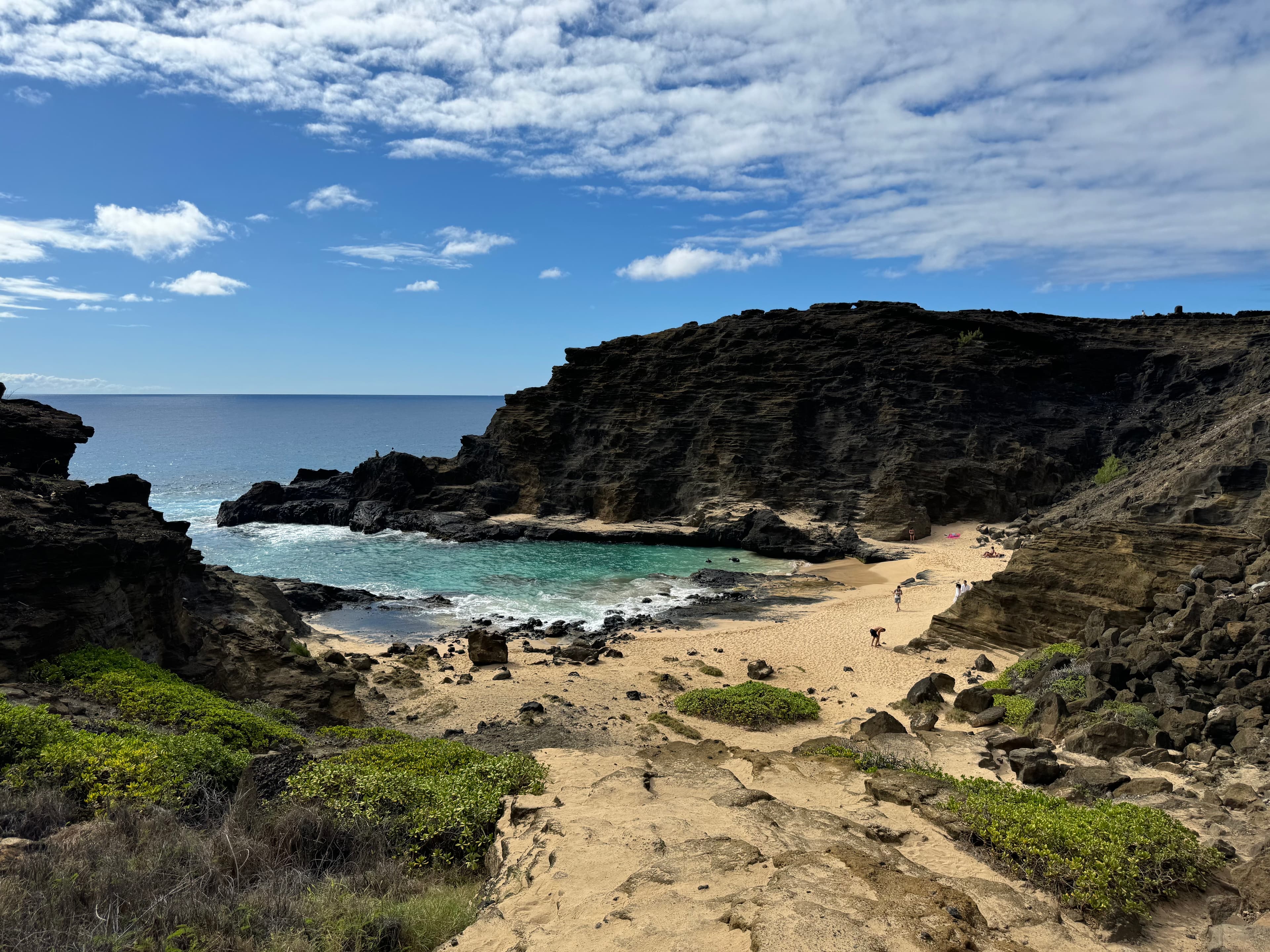 Destinations
Oaxaca Beyond the Day of the Dead: An Eight-Day Trip
Oaxaca beyond the Day of the Dead — how I design an eight-day trip into the city that exists the other eleven months: markets, weavers, mezcal, and a quieter centro.
Trisha Bush9 min readIntentional Traveler
Want yours designed?
Three minutes of intake. A real reply within a day or two. A trip designed by hand.