Oaxaca Beyond the Day of the Dead: An Eight-Day Trip
Oaxaca beyond the Day of the Dead — how I design an eight-day trip into the city that exists the other eleven months: markets, weavers, mezcal, and a quieter centro.
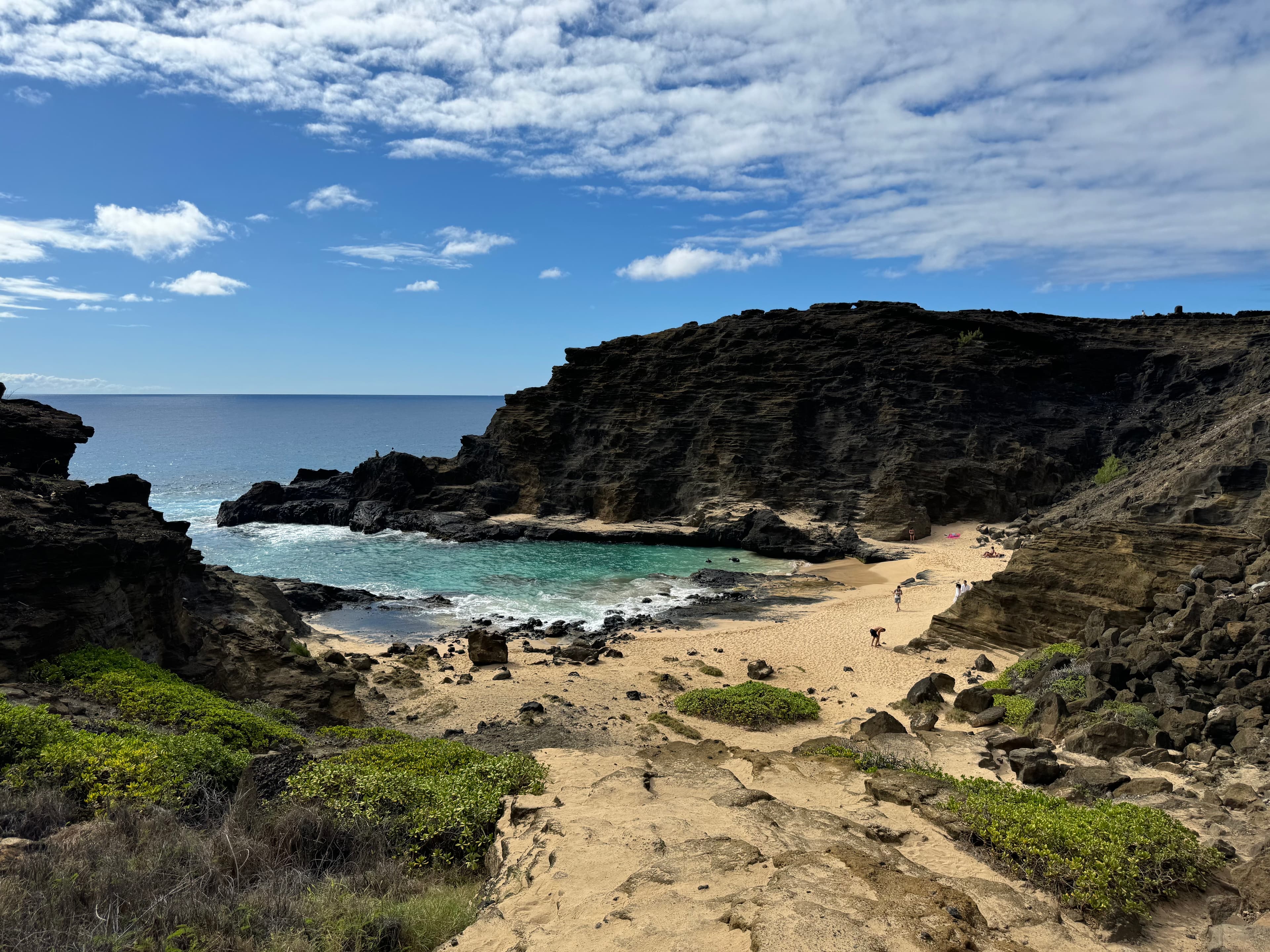
The first time I went to Oaxaca, I went in late October, because the photographs had told me that was the only month that mattered. The trip I came home from was a trip about a festival, not a trip about a place. The second visit I went in February. The light was the same honey, the markets were the same generous, and the city had its hands free for me in a way it hadn't the first time. I have been designing Oaxaca trips around the second visit ever since.
This post is about Oaxaca beyond the Day of the Dead. Not against the festival — Día de Muertos is one of the great human inheritances and worth its own trip — but about the city the other eleven months. The valleys, the weavers, the mezcal, the mole, the slow centro that exists when the parade route isn't roped off. Eight days, designed deliberately, written from a couple dozen trips I've sent people on through this corner of Mexico.
Why I plan Oaxaca beyond the Day of the Dead
There is a kind of trip I cannot design well in the last week of October and the first week of November. The festival has its own gravitational field — restaurants take festival bookings only, lodging triples, the weavers I trust close for family weeks, the road into Teotitlán is a slow line of vans. The city is doing its real, sacred work that week, and the spectator role is the only one available to a visitor. That role can be moving — Día de Muertos is one of the great cultural performances in the world. It is not the role most of the travelers who hire me actually want.
The trips I plan are for people who want to sit on a balcony off the Andador and read for an hour. People who want the maestro mezcalero to pour the second copita slowly and tell them why this batch tastes of pine smoke and the previous batch didn't. People who want a Sunday in Tlacolula market that isn't a press of camera straps. Oaxaca beyond the Day of the Dead is exactly that city, and it is open most of the year.
The shape of an eight-day trip
Eight days is the right length for Oaxaca. The reason isn't a hunch — it's the way the city's rhythms fall across a week. The big markets are on different days: Tlacolula on Sunday, Etla on Wednesday, Zaachila on Thursday, Ocotlán on Friday. The Valles Centrales work as day trips, but only if you space them — back-to-back palenque days will flatten your palate and your patience. The centro needs a slow start and a slow finish to actually feel like a place you stayed in rather than a place you photographed.
The rhythm I send people on:
- Day one — arrival, centro slow-walk, an early dinner of tlayudas at a comedor that opens at six because that's when locals eat them.
- Day two — Teotitlán del Valle. Not a workshop class. A real morning at a studio where someone in the family is at the loom and you sit and ask questions until the conversation runs its course. A long mole lunch in the valley on the drive back.
- Day three — a single mezcal palenque in the foothills south of Mitla. Half a day on site, the afternoon back in the centro, deliberately quiet.
- Day four — market day, whichever one falls naturally in your week. A long lunch at a roadside spot after. Do not stack a palenque on top.
- Day five — sleep in. No plans before noon. Memelas at a stand near the Mercado 20 de Noviembre, an afternoon hour in the courtyard of Santo Domingo's museum, an early dinner you don't have to dress for.
- Day six — Mitla, Hierve el Agua, or San Agustín Etla, depending on weather. I assign one the morning of.
- Day seven — blank on purpose. The travelers who do this trip well almost always say day seven was their favorite.
- Day eight — breakfast, one last loop of a street you liked, the airport.
The high-input days — weaver, palenque, market — are interleaved with rest. By day eight you've stayed in Oaxaca rather than visited it. The eight-day shape is what it takes to land that.
The Valles Centrales are the engine
The mistake I see in self-planned Oaxaca trips is that the centro becomes the whole trip and the valleys become a series of rushed day-trip checkboxes. The reverse is closer to right. The valleys are the trip's engine; the centro is the place you sleep and recover.
Teotitlán del Valle, with its family weaver studios dyeing with cochineal, indigo, and pomegranate, is one anchor. Tlacolula's Sunday market — enormous, sensory, unselfconscious — is another. Mitla's stone-mosaic ruins are quieter than Monte Albán and architecturally more rewarding per hour. San Baltazar Guelavila and the small mezcal towns around it are where the palenque days happen. Hierve el Agua, the petrified mineral pools high up over a desert valley, goes in only when the weather forecast cooperates. Two or three of these per trip, sequenced with the centro and a sleep-in day between — that spacing is the thing self-planned trips usually get wrong.
The two anchor days: mezcal and weaving
Two days do most of the work, and they're worth treating as design problems rather than activities.
The mezcal day is a single morning at a single palenque, with one family, one production cycle, and as long as you want to sit afterward. The visit walks through the agaves stacked for roasting, the earth pit where they cook for days, the wooden mash deck where the cooked piñas get crushed by the stone tahona pulled by a horse on a circular track, the copper or clay stills where the spirit finally comes off. Then you sit. The maestro pours four or five copitas — one unaged, one rested, one from a different agave, sometimes a pechuga. Sip and talk. Lunch comes out because nobody is supposed to drink mezcal on an empty stomach. The whole visit, lunch included, runs three to four hours, and the afternoon back in the centro should be slow on purpose.
The weaver day is the textile day in Teotitlán del Valle, and I rarely book a workshop class. What I book instead is time — an hour or two at a studio where the family is at work that day, where you sit on a stool and watch and ask questions and get tea or mezcal or both. The weaver in front of you is doing their own piece on their own deadline, not running a demonstration. The conversation drifts. They might show you the dye-pots, unroll a finished rug and tell you what it represents, ask where you're from. The visit ends when the conversation does. Buy a rug or don't — the visit isn't transactional, and the piece you might buy is better for the morning you spent watching it.
What I won't book on either day is the operation with a parking lot, a tour-group door, and a sales floor larger than the work it pretends to show.
What I leave out
The cuts matter as much as the additions. (I wrote about the cut order at length in how curated travel works — it generalizes.) For Oaxaca specifically:
- The cooking class with the famous chef and the big group. The hours would go further at a long market lunch with a comedor cook who actually feeds her neighborhood.
- The eleven-mole tasting flight. The seven-mole one isn't much better. Pick one or two moles done well, in their proper context, at a place that does that mole as its main dish.
- The tequila bar tour that's actually a mezcal tour where the guide can't tell you the difference. The give-away is generic language and no specific palenque named in the itinerary.
- Monte Albán at the wrong hour. Worth visiting, but at sunrise or late afternoon, not the midday bus-tour glare.
The cuts free hours for the things that earn them: more time at one palenque, a longer market-day lunch, the day held empty on purpose at the trip's middle.
How this fits an Uncharted trip
Most Oaxaca trips I design are Uncharted Core: day-by-day rhythm across the valleys, a stay or two with notes, a restaurant strategy, and the specific weaver and palenque introductions. That's usually the right fit for an eight-day single-region trip, and we'll confirm it, along with the planning fee, on a complimentary call.
If you're imagining a longer arc — Oaxaca plus a stretch on the coast in Mazunte, or a leg in Mexico City — that's a Deep Uncharted trip. The tier difference isn't about luxury; it's about transitions, which are the hardest part of any multi-region trip.
Start the conversation at /book and tell me your dates and the shape you want the trip to have. If your dates fall in late October or early November, I'll ask whether the Day of the Dead is the reason — and if it isn't, I'll suggest February or March instead. The form takes about three minutes. The trip that comes back is the version of Oaxaca that the city wants to be on the day you arrive.
What to read next
For the long version of why a curator beats a long weekend on Reddit, the piece that goes deepest is how curated travel works.
For what the planning looks like from the inside — the intake, the review, the cuts I make before the dashboard lands in your inbox — start with how the Uncharted planning process works.
If the trip you're imagining is a honeymoon or a milestone that happens to include Oaxaca, planning a honeymoon without the hype is closer to the right frame than this post. The eight-day shape above scales cleanly to twelve days, with a coastal leg on the back end.
A few common questions.
February through mid-May is the easiest window. The valleys are dry, the light is honest, and the centro reads as a city people live in rather than a city people are photographing. The shoulder weeks — late September and early November bookends — are tempting on price but still carry festival overflow: crowds, closed weaver studios, inflated lodging. June through August is warm and rainier, which I actually like for the mountain villages around Teotitlán, though afternoon storms will sometimes scrape a planned market day. I avoid the last week of October and the first week of November on principle when designing a quiet trip. The whole point of going outside the festival is that the city is itself, not a stage set.
More from the journal.
 Destinations
The Greek Islands Without the Cruise Port
How I design a Greek Islands trip that never touches a cruise port — smaller islands, ferry rhythms, and the specific logic that keeps the crowds behind you.
Trisha Bush9 min readIntentional Traveler Destinations
A Week of Lisbon Slow Travel in Alfama
A week in Alfama built around slow movement, fish counters, and late light — designed for one, on no one else's schedule. The city rewards you for slowing down.
Trisha Bush8 min readSolo Travelers Trip type
Solo Travel When You Want Quiet, Not Adventure
Solo travel doesn't have to mean adventure. Here's how I plan trips for people going alone who want unhurried days, real quiet, and places that feel easy for a party of one.
Trisha Bush8 min readSolo TravelersWellness Travelers
Want yours designed?
Three minutes of intake. A real reply within a day or two. A trip designed by hand.