Solo Travel When You Want Quiet, Not Adventure
Solo travel doesn't have to mean adventure. Here's how I plan trips for people going alone who want unhurried days, real quiet, and places that feel easy for a party of one.
There's a version of solo travel that shows up everywhere — the one built around momentum. Zip lines and dawn hikes and cities crossed by foot in a single day. That's a real trip. It's just not the only one. And for the people I plan for most often who are going alone, solo travel when you want quiet not adventure is the actual brief. Not less of an experience. A different kind of one.
The mistake I see in self-planned solo trips is confusing "solo" with "light." Travelers strip the itinerary down to nothing because they don't want to overcommit for a party of one — and then they land somewhere with too much blank space and not enough shape. The quiet trip isn't an empty trip. It's a deliberately designed one, where rest is real and named, where the handful of things on each day are worth doing slowly, and where the logistics have been thought through in advance so the traveler's energy stays available for the actual experience.
That's the trip I want to describe here. How I plan solo travel when the goal is genuine quiet, not an adrenaline itinerary — and what that design actually looks like.
What "quiet" means as a trip brief
When someone tells me they want a quiet solo trip, I don't hear "do less." I hear a specific set of conditions they're asking for. They want days that don't require performance. They want places where being alone doesn't feel like a gap that needs explaining. They want to arrive somewhere and feel the pressure come off — not because the trip is empty, but because it's been shaped to allow that.
Quiet has a specific shape in an itinerary. It means rest blocks that are real rest, not "free afternoon" that still has four things listed underneath it. It means a restaurant where a solo diner gets a seat that's comfortable, not compensatory. It means enough in a place to feel at home there — a coffee shop worth returning to, a route that gets easier each time you walk it — without so much that you feel behind on the trip.
The places that support this are usually smaller. Secondary cities over primary ones. One-neighborhood stays over multi-destination routing. Islands and coastal towns where the rhythm is already slow and you're not fighting the place to find it.
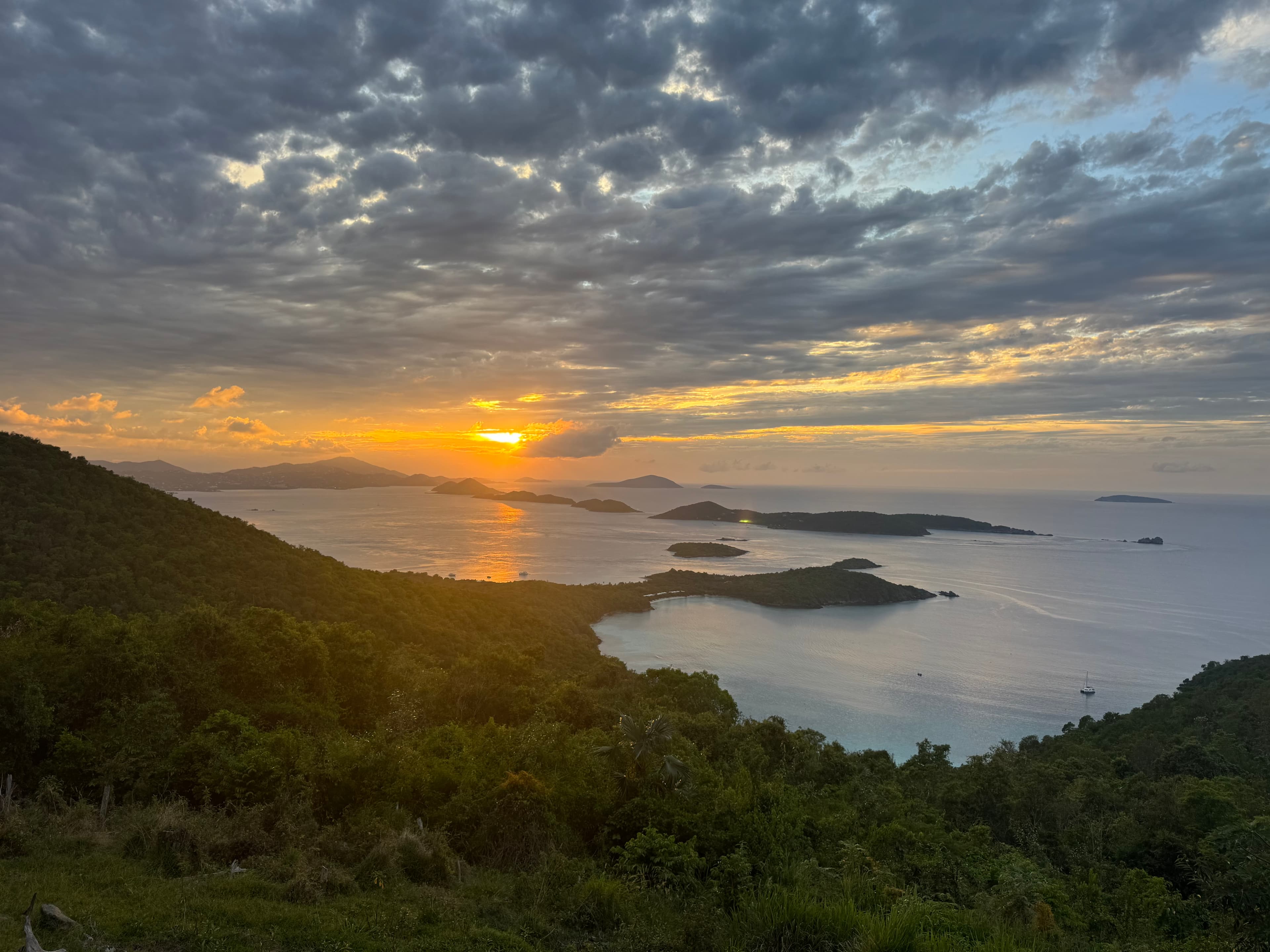
One trip I come back to often when I'm designing a quiet solo itinerary: St. John in the USVI. It's a small island — Cruz Bay reads like a neighborhood after a day, not a destination to conquer — and its pace is built in rather than engineered. The afternoon shape there is Francis Bay in the morning, Maho in the afternoon, back to town for a slow sunset drink. None of that requires effort or explanation. You arrive as a solo traveler and the island just accommodates it. That ease is what I'm looking for when I place a quiet solo trip.
How the planning is different for a solo traveler who wants quiet
The practical differences in how I plan this kind of trip are specific, and they stack.
The first is pacing. A quiet solo trip has fewer things per day than a group trip of the same length, but each thing gets more time. I'm not compressing the day to accommodate multiple people's must-dos. I can name a morning beach and nothing else until early afternoon, because one person can hold that kind of openness without anyone else needing to agree. The slack in the day is a feature, not a planning failure.
The second is accommodation. I look for places where a single-occupancy stay doesn't penalize the experience. Guesthouses and boutique hotels where the single supplement is reasonable or waived. Spots where a solo guest is treated as a regular guest, not a booking anomaly. For a quiet trip specifically, I'm also looking for stays with some outdoor private space — a terrace, a balcony, a garden — because a solo traveler who wants quiet needs somewhere to be alone that isn't the inside of a room.
The third is dining. Table-for-one planning is one of the most underrated parts of solo trip design, and I approach it as a distinct research problem. Bar seats and counter dining. Places with communal tables or open kitchens where the room has its own energy. Smaller spots where attentive service is the norm. I flag the restaurants where solo diners are genuinely welcomed versus places where the booking signals "off-peak table." This is part of what the restaurant add-on covers when a solo traveler books through the Core tier — the routing is different when the party size is one.
The fourth is safety and confidence. A solo traveler going somewhere unfamiliar is making a bet that the route I've given them is sound. I take that seriously. I'll note which neighborhoods change character after dark, which walks are genuinely fine alone and which ones aren't, and where the practical check-in logistics are so the traveler arrives knowing where things are rather than orienting on the fly. The on-trip support option exists partly for this reason — a check-in channel if something goes sideways.
What I avoid on purpose
There are some default moves in travel planning that work fine for groups and fail quietly for solo travelers who want quiet. I leave them out deliberately.
Activity-stacked days are the first. A day with six things on it requires six transitions, six decisions about whether to stay or move on, and six moments where being alone might feel amplified rather than comfortable. I trim to two or three well-chosen things and let the time between them be real time.
The second is the itinerary that treats the solo traveler as a group traveler with a smaller headcount. Group itineraries are designed to give everyone something. A solo itinerary can be designed around one person's actual preferences, without averaging or accommodating. The intake form I use treats "solo" as its own brief — not a group form with one name in it.
The third is routing that requires constant movement. Multi-destination solo trips can work, but the quiet solo trip in particular benefits from depth over breadth. Staying long enough in one place to feel at home there — to have a regular coffee spot, to know which beach is quieter in the afternoon, to recognize the faces at the guesthouse — is part of what produces the quiet feeling. Arriving somewhere new every two days works against that.
Where this kind of trip actually fits in the planning process
The quiet solo trip sits most naturally in the Wanderlight or Core tier, depending on length and destination complexity. A four or five-day island trip — St. John, somewhere in the smaller Greek islands, a slow week in a Portuguese coastal town — is usually Wanderlight territory. A longer solo trip, anything ten days or with more logistical moving parts, lands in Core, where the deliverable includes the full trip dashboard with sequencing and rhythm clearly named.
The rhythm document is what matters most for a solo traveler who wants quiet. It names each day's weight — slow, moderate, or active — and says plainly what the day is for. This is a recovery morning. One beach, no plans before two. That kind of clarity means the traveler arrives already knowing what the trip holds, without having to negotiate it with themselves at every decision point. The quiet in the trip isn't just about the destination. It's about the planning having done enough work that the traveler's mental energy stays free.
If you've been thinking about a solo trip and the version in your head is genuinely more rest than pursuit, that's a real and plannable brief. For some people it's the first time going alone; for others it's a solo traveler upgrading from improvised to curated. The planning a honeymoon without the hype post covers related ideas around pacing and sequencing for milestone trips, and the Lisbon slow travel guide is a good example of what a quiet single-destination week can look like in practice. If you're curious about how wellness framing intersects with this, the wellness retreats that don't feel like spas post is the counterpart to what I've written here — adjacent territory, slightly different brief.
The starting point, whenever the idea feels real, is the intake form. One field asks about pace preference. Another asks what you most want to feel by the end of the trip. "Rested" and "quiet" and "like I had somewhere to be without anyone else's clock" are complete answers. That's the trip.
A few common questions.
Yes — and it's one of the planning modes I find most satisfying to work in. A quiet solo trip is a specific design problem. The goal isn't a lighter itinerary; it's a deliberately shaped one where rest days are named rest days, not gaps to fill in transit. I'm looking for places that don't require you to perform enjoyment, restaurants where a solo diner is genuinely comfortable rather than quietly managed to the worst table, and pacing that lets you stay longer anywhere that earns it. The intake form asks directly about pace preference and what you most want to feel by the end of the trip — 'rested' is a complete and legitimate answer.
More from the journal.
 Trip type
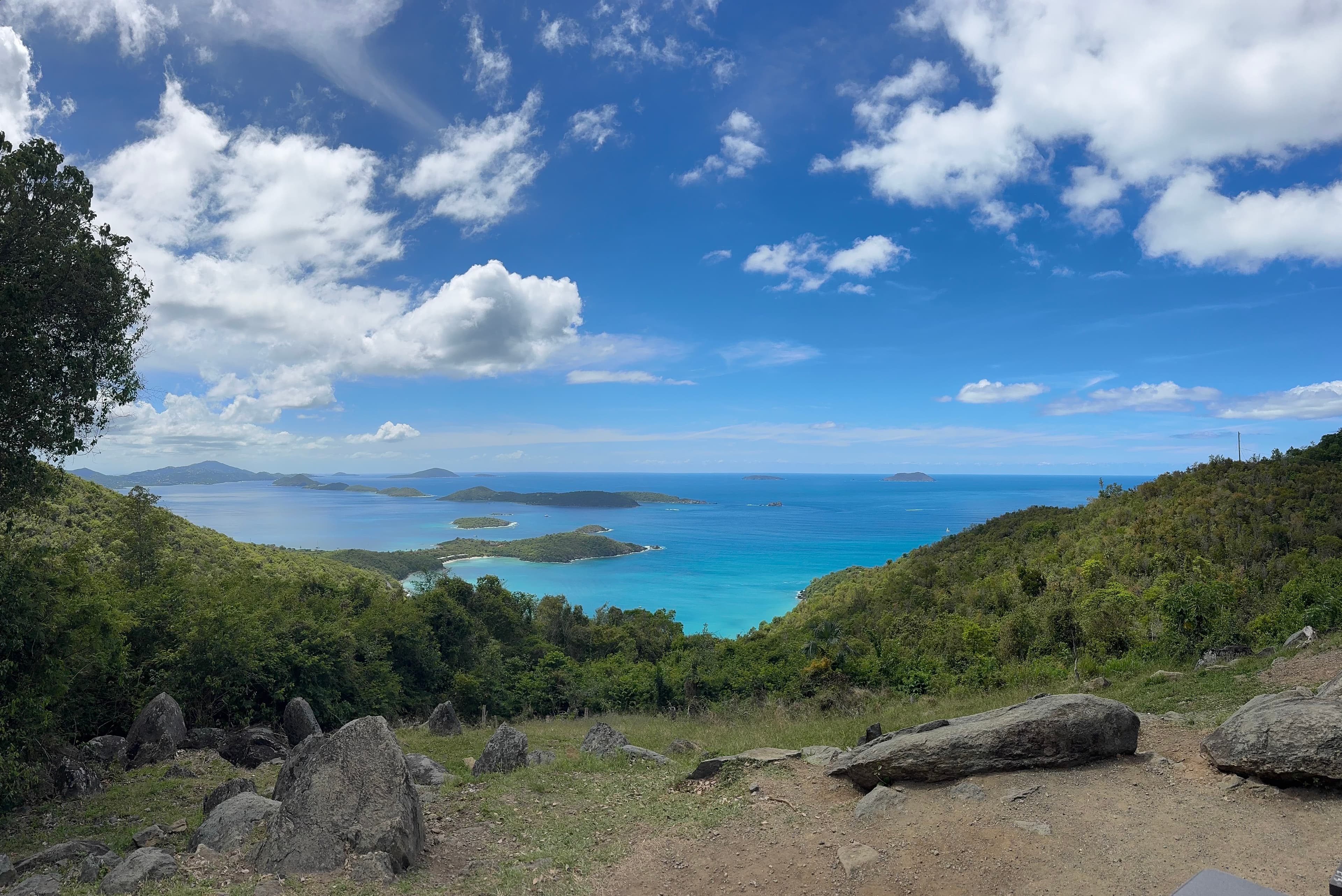
Wellness Retreats That Don't Feel Like Spas
Wellness trips designed around place, not program — how I build slow, restorative travel that draws on local practice rather than resort packages.
Trisha Bush8 min readWellness TravelersIntentional Traveler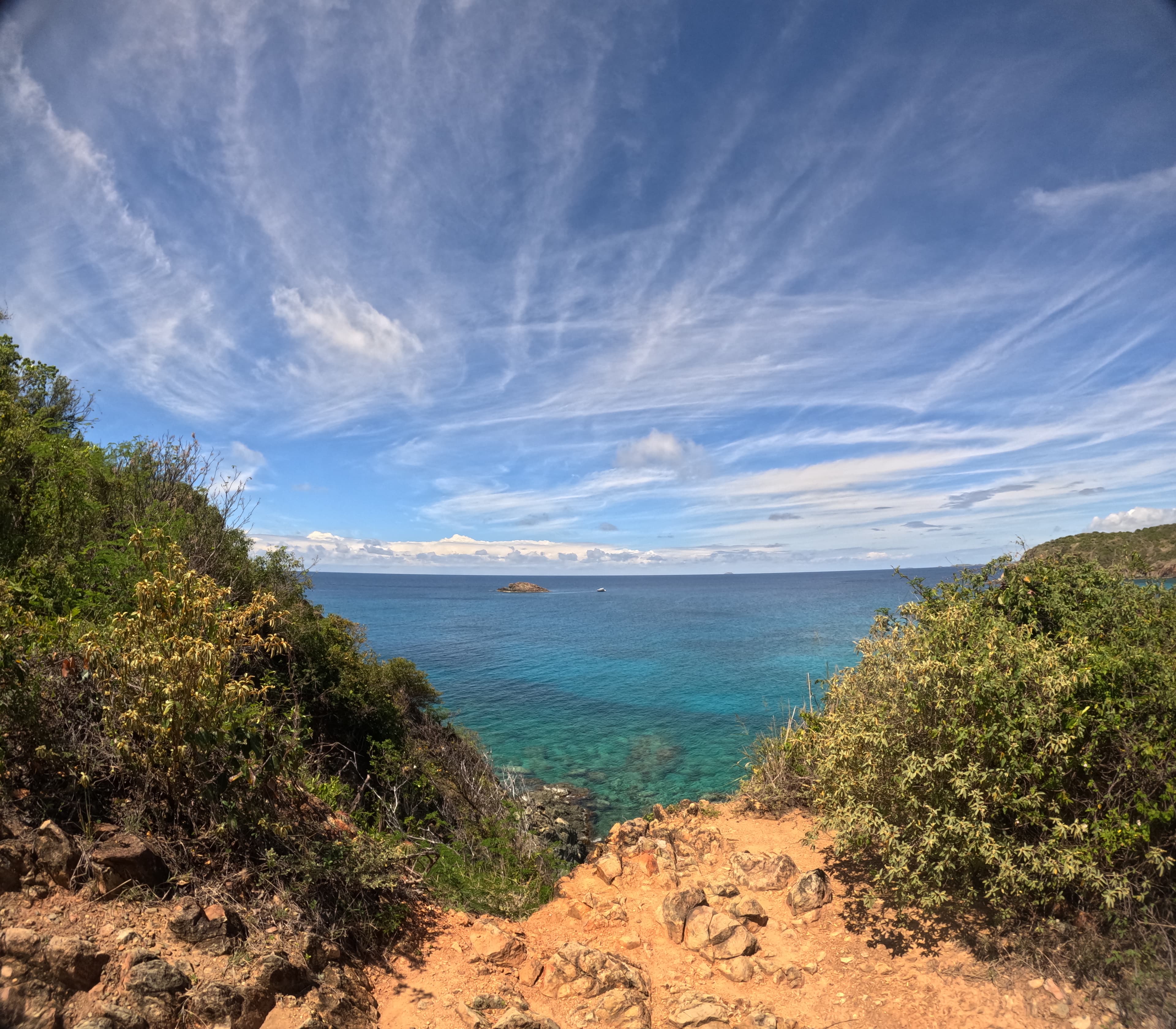 Destinations
A Week of Lisbon Slow Travel in Alfama
A week in Alfama built around slow movement, fish counters, and late light — designed for one, on no one else's schedule. The city rewards you for slowing down.
Trisha Bush8 min readSolo Travelers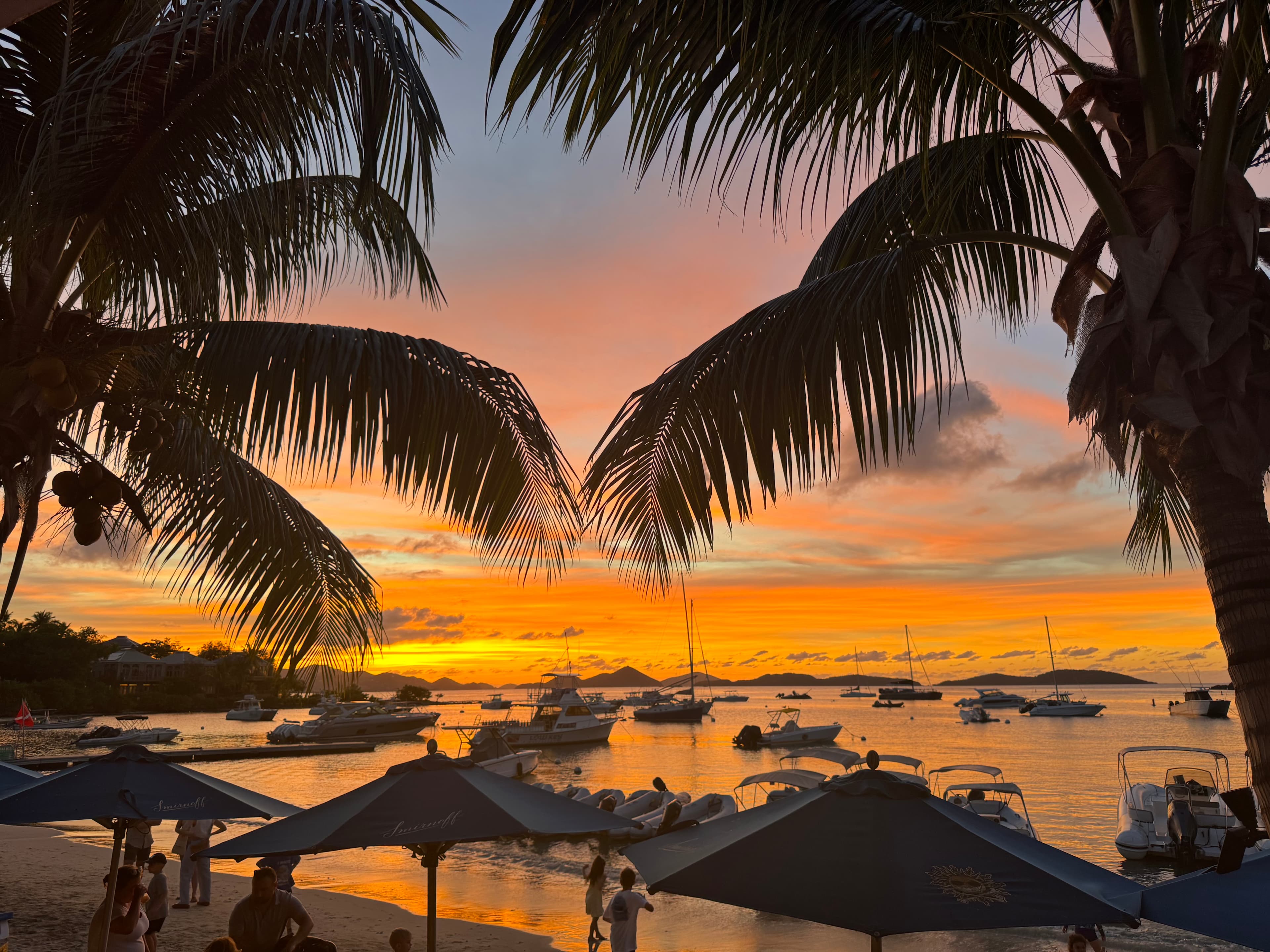 Trip type
Planning a Honeymoon Without the Hype
Planning a honeymoon for two voices, not one — how I design milestone trips that skip the wedding template and let both partners come home with a different favorite hour.
Trisha Bush15 min readCouples & HoneymoonersIntentional Traveler
Want yours designed?
Three minutes of intake. A real reply within a day or two. A trip designed by hand.