What You Get in the Final Deliverable
The question I hear most before someone books: what does the finished itinerary actually look like? Here's the shape — sections, specifics, and what lands in your inbox.
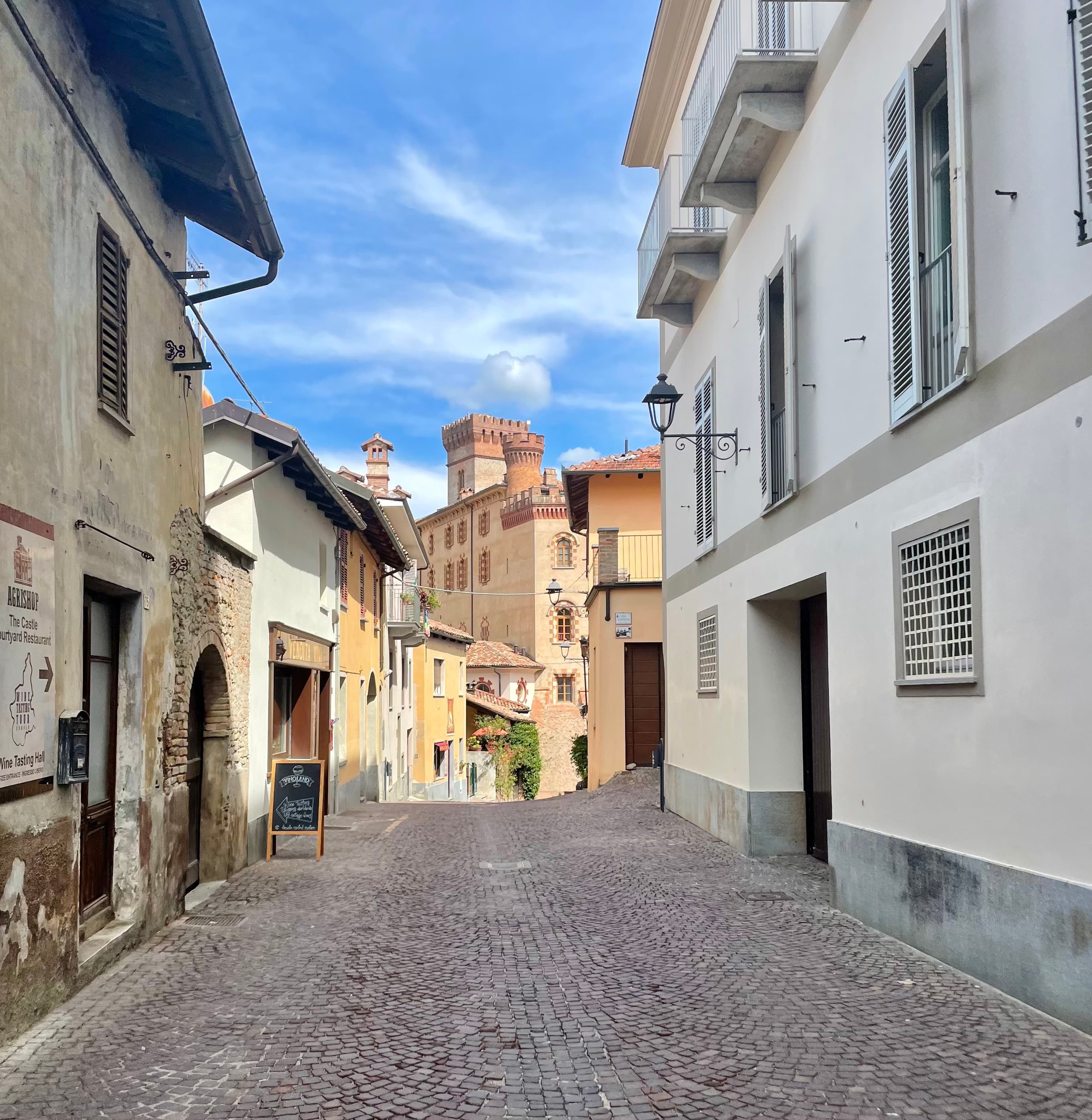
The question I hear most before someone books isn't about price. It's about shape. Specifically: what does the finished thing actually look like?
Most planning services answer in vague terms — "a personalized itinerary," "a curated guide," "a day-by-day plan." Those phrases describe the category, not the artifact. They don't tell you whether you're getting a list of thirty suggestions or a sequenced ten, a restaurant name or a reservation strategy, a neighborhood mention or a specific corner of a specific street.
Here's what actually lands in your inbox — the sections, the specificity, the format, and the parts that are deliberately not there.
The shape of the deliverable
Every tier ships as a Notion document — structured, mobile-friendly, accessible by link. No PDF, no attachment to lose. The format is vertical: the daily itinerary reads top to bottom, the map opens in one tap, restaurant notes sit next to the days they belong to.
The three tiers — Wanderlight, Uncharted Core, and Deep Uncharted — produce three different documents, not the same document at different lengths. What follows is the anatomy of a Core deliverable, which is where most planned trips land. Wanderlight is shorter. Deep is structurally different, built for multi-destination trips that need a travel narrative rather than a day-by-day log.
Seven sections: trip overview, daily itinerary, stays, food strategy, embedded map, travel notes, and — the one nobody expects to find useful — considered and ruled out. That last section is where I put the cut list: the places I seriously looked at and removed, with a sentence on why. More on it below.
What the daily itinerary actually contains
The daily itinerary doesn't list things you could do. It names a sequence with a reason behind it — morning, afternoon, evening — structured around the day's center of gravity.
Take a day from the Milos journey: Sarakiniko in the morning before the day-trip boats arrive, Medusa in Mandrakia for lunch by noon, Firopotamos in the afternoon when the light's right, Utopia Café for sunset, Avli for dinner. That sequence is not arbitrary. Sarakiniko before the boats means you're on the lunar rock while it still belongs to you. Firopotamos in the afternoon is about the angle of light, not just the swim. The sequence has a logic, and the deliverable explains it.
Each day is named for its center of gravity. Not "Day 4 — sightseeing and dinner," but "Day 4 — the north coast, then the harbor at dusk." Under each day: named locations, named times, and — where it matters — a note on why the order is that order. You don't get "try local wine." You get "Cascina SOT in La Morra, host-led tasting, arrive by 10am; the tasting runs 90 minutes and you'll want to be out before the tour buses arrive at 11:30" — the note I built into the Piedmont journey for exactly that reason.
Blank windows are named and deliberate. Most days include at least one that says: this hour is not filled, and that's the design. The blanks have a sentence explaining their purpose — recovery, a slow lunch that runs long, the unscheduled afternoon to follow what you find. A deliverable with no blanks is a calendar, not a trip plan.
The stays section
Three to five options — not one recommendation, not twenty. Each is genuinely different, with comparative notes: "Option A is the right choice if you want to walk to dinner. Option B has the better view but puts you twenty minutes from town — worth it if you're renting a car, less so on foot." I read the room from the intake form, and the options are pre-sorted accordingly. What's not in the list: the five properties Booking.com surfaces for every traveler at every budget. If a property is on every list and earns its place, it stays. If it's there because it's easy to surface, it cuts.
The food section — strategy, not a list
This is the section that generates the most follow-up questions, and the reason is that it doesn't look like what people expect.
The food section isn't a ranked list of twelve restaurants. It's a strategy: which ones to book in advance and at what timing, which ones to walk in for and when, which ones to save for a specific window in the day's flow, and which ones to skip — with a reason.
From a recent St. John deliverable: The Beach Bar in Cruz Bay is the arrival-day lunch, barefoot and unhurried, Painkillers before the island slows you down — walk in, no reservation needed. Morgan's Mango is the evening dinner, open-air courtyard, book a 7pm table for the second seating. Woody's Seafood Saloon is the late nightcap, local and informal, no planning required — just show up. Three restaurants, three different roles, three different strategies. The section maps them to the St. John day so you know when and why each one belongs.
For Core trips where the food is a primary reason you're going — wine regions, cities with serious food cultures, anywhere where the wrong restaurant costs you a meal you can't get back — the Restaurant Strategy Pack add-on goes further. It builds the reservations into the calendar, adds booking-timing notes, names the specific dish to start with and the table to ask for. It's an additional layer on top of the base strategy.
The base deliverable is a strategy. The add-on is execution.
The embedded map
Functional, not decorative. Every named location is pinned and color-coded by day so you can filter rather than stare at sixty pins at once. You read the itinerary, switch to the map, and navigate — no rebuilding the route from scratch in a separate app.
For Deep trips, the map includes transition routing: the ferry to St. John from St. Thomas, the drive from Milan into the Langhe, the inter-island transfers that don't appear in most itineraries. The logistics layer is often the section travelers are most surprised to find — because it shows up most clearly in the form of days not wasted.
Travel notes
The specifics you'd otherwise spend an evening on forums to find. Etiquette. Tipping conventions. Payment quirks — the restaurant that doesn't take cards, the ferry that takes cash only at the dock. The neighborhood that reads differently after dark. A St. John note covers car-ferry timing and why you line up early. A Milos note explains Greek dinner timing and why 8pm is the functional start, not the late option. A Piedmont note explains why the afternoon tasting collapses if you try to rush lunch. Nothing here is a warning-label platitude — it's what a friend who's been there tells you the night before you leave.
The cut list — considered and ruled out
Four to six items, each with a one-sentence reason. "Trunk Bay cut: the snorkel trail is genuinely good, but peak-hour crowd density at the times that work for the rest of the day's flow makes it the wrong trade. Francis Bay is the right alternative." "Belvedere viewpoint in La Morra kept: I cut Barolo's other viewpoints because the Belvedere is the one worth the climb — noting it here so you know the others exist if you want them."
The section does two things. First, it signals the list was edited, not compiled — a curated deliverable should have a cut list the way a good edit has a revision history. Second, it lets you override a cut if the reasoning doesn't apply to your trip. If you're a snorkeler who doesn't mind crowds, that's now in your hands. The cut list gives you the editor's reasoning without making the editor's choices mandatory.
What's not in the document
No generic category advice. Not "try local seafood" but a named restaurant, named dish, and named table. Not "rent a car" but the specific rental pickup timing relative to the St. Thomas ferry and why it matters. Not "the wine region is beautiful in fall" but a specific cellar with a specific tasting window and the crowd-timing note that shapes the morning.
No aspirational padding — the famous viewpoint at the wrong time of day, the high-energy excursion adjacent to the slow week. No hedging qualifiers. The deliverable has a point of view. If something belongs in your trip, it's in the document. If it doesn't belong, it's in the cut list or gone entirely.
The revision round
The first version is a serious proposal, not a final answer. Every tier includes one revision round — you read the document, mark what doesn't fit, tell me why, and I revise. Most revisions are small: a pace issue, a single restaurant swap, a stay you'd prefer. Occasionally the shape needs adjusting — that's rarer, but it's covered.
The revision round is where the trip stops feeling like mine and starts feeling like yours.
What to read next
- How the Uncharted planning process works, step by step — the full anatomy of every stage, from intake through revision. Read this if you want to understand the work behind the deliverable, not just the artifact.
- The three tiers explained: choosing your planning level — how Wanderlight, Core, and Deep differ, and which deliverable shape fits the trip you're planning.
- The services page lays out all three tiers with full deliverable specifications and pricing.
- The journeys index has the three live day-plans I referenced throughout this post — Milos, Piedmont, and St. John — so you can see the specificity in a real sample rather than a description of one.
If the shape I've described is what you were hoping to find, the fastest route from here is the intake form. Fill it out for the trip you're actually planning, and I'll confirm which tier fits before you pay anything.
A few common questions.
It arrives as a shared Notion document — formatted, mobile-friendly, and organized so you can navigate by day or jump straight to the section you need. There's no PDF to print, no attachment to lose. You open a link, and the trip is there. The format is optimized for phone because that's how you'll use it on the ground: the daily itinerary reads vertically, the embedded map opens in one tap, the restaurant notes sit next to the day they belong to. If you prefer a static version for areas with unreliable connectivity, I can export to PDF on request.
More from the journal.
 How I work
The Three Tiers Explained: Choosing Your Planning Level
Wanderlight, Uncharted Core, Deep Uncharted — the three tiers explained so you can pick the one that fits the trip you're actually planning, not the one that sounds most impressive.
Trisha Bush9 min readLuxury PlannerIntentional Traveler How I work
How the Uncharted Planning Process Works, Step by Step
What actually happens between the intake form and the finished trip — the judgment calls, the rejections, the parts of the planning process you don't see in the overview.
Trisha Bush17 min readWeekend Wanderer
Want yours designed?
Three minutes of intake. A real reply within a day or two. A trip designed by hand.